
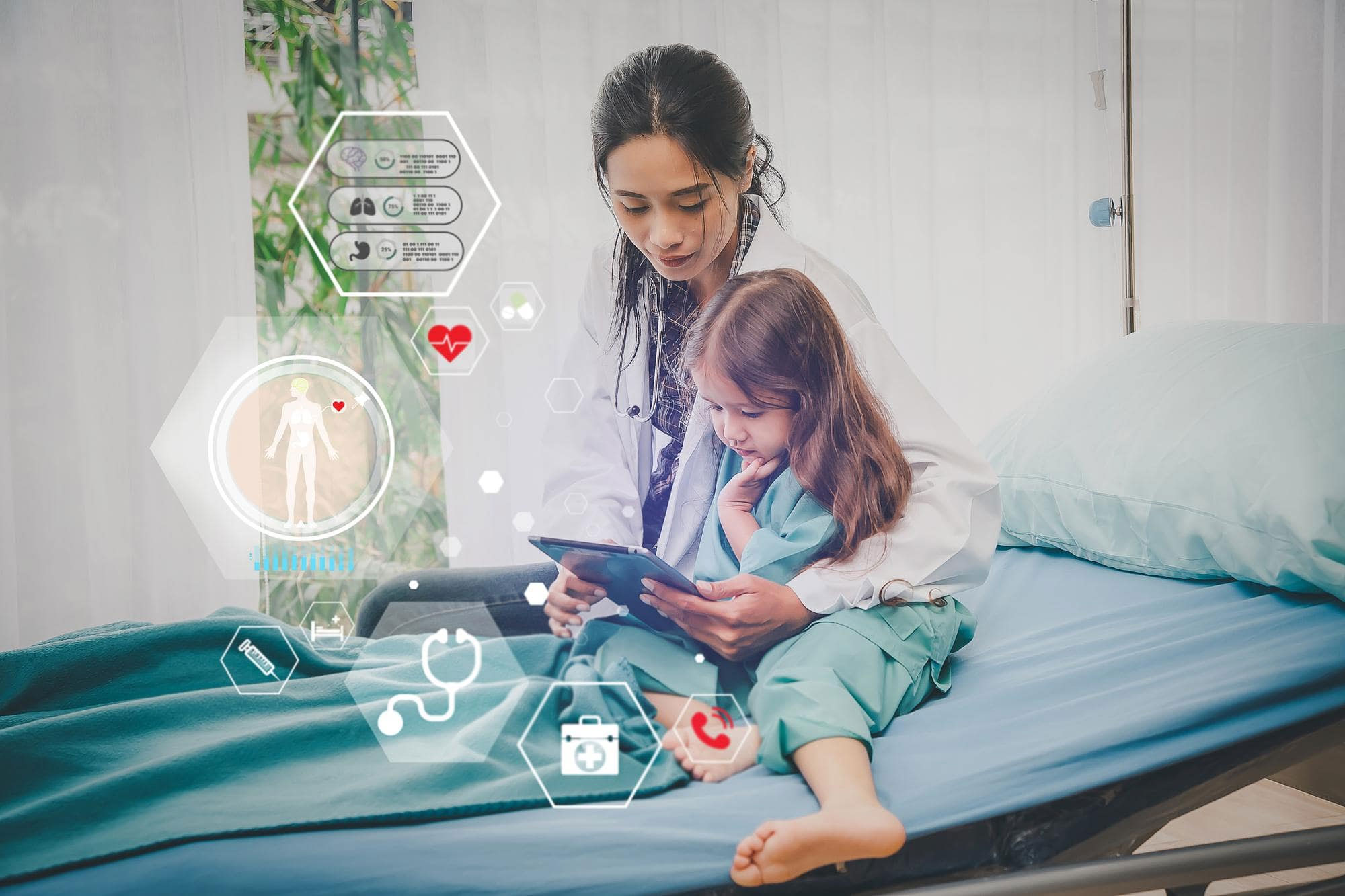
Recent years have seen a significant shift in patient care, moving away from a traditional, reactive model to one that is more proactive, personalized, and patient-centered. This evolution is largely driven by technological advancements and a greater focus on the overall patient experience. Here are some of the key trends in patient care.
The Rise of Digital and Virtual Care
The integration of technology is arguably the biggest trend shaping patient care. Telehealth and telemedicine have become mainstream, allowing patients to consult with healthcare providers remotely. This has improved access to care, especially for people in rural or underserved areas, and has made follow-up appointments and managing chronic conditions more convenient.
- Remote Patient Monitoring (RPM): Devices and wearables like smartwatches, blood pressure cuffs, and glucose monitors are now common tools for monitoring patient health outside of a clinical setting. The data collected provides real-time insights to healthcare providers, enabling them to intervene early and prevent potential health crises.
- Virtual Hospitals and AI Assistants: The concept of a “virtual hospital” is emerging, where patients receive care at home through a combination of remote monitoring, teleconsultations, and AI-driven diagnostics. AI-powered chatbots and virtual assistants are also becoming more common, offering patients medical advice, medication reminders, and support for managing chronic conditions.
Hyper-Personalized and Proactive Healthcare
Patient care is becoming less of a “one-size-fits-all” approach and more tailored to the individual. This is a direct result of advances in data analysis and genomics.
- Personalized Medicine and Genomics: By analyzing a patient’s unique genetic makeup and medical history, providers can create customized treatment plans that are more effective and have fewer side effects. This is a game-changer for conditions like cancer, where treatments can be specifically targeted to a patient’s tumor.
- Predictive Analytics: Healthcare systems are using artificial intelligence and big data to analyze vast amounts of patient information to predict outcomes and identify individuals at risk of developing chronic illnesses. This allows for proactive interventions and preventative strategies, reducing the need for emergency hospital visits.
Empowering the Patient as a Consumer
Today’s patients are more informed and engaged in their healthcare journey than ever before. This has led to a shift in focus toward improving the overall patient experience.
- Seamless Patient Experience: Healthcare providers are streamlining administrative tasks like patient intake, scheduling, and billing. Digital solutions, such as mobile apps for check-ins and automated appointment reminders, are enhancing convenience and reducing administrative burden.
- Interoperability and Data Sharing: The ability for different healthcare systems to share patient data seamlessly is a crucial trend. When healthcare professionals have access to a patient’s complete health record, they can make more informed decisions, leading to better outcomes and a more cohesive patient journey. This also empowers patients to have greater control over their own health information.