
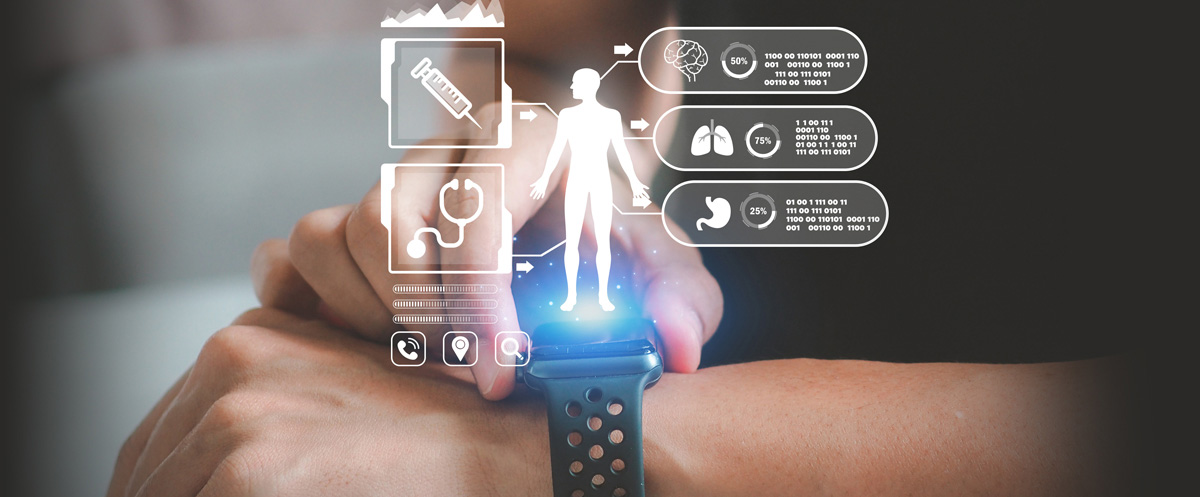
The landscape of medicine is in constant flux, driven by relentless innovation and technological advancements. These new technologies are not just incremental improvements; they are fundamentally reshaping how we understand, diagnose, treat, and prevent diseases. From the microscopic world of gene editing to the macroscopic applications of 3D printing and robotics, the future of healthcare is being written today.
Artificial Intelligence: The Intelligent Assistant
Artificial intelligence (AI) is rapidly becoming an indispensable tool in medicine. Its ability to process vast amounts of data quickly and identify patterns invisible to the human eye is revolutionizing diagnostics. AI algorithms are now being used to analyze medical images, such as X-rays and MRIs, to detect early signs of diseases like cancer with greater accuracy. Furthermore, AI is aiding in drug discovery by sifting through massive datasets to identify potential drug candidates and predict their efficacy.
For example, AI-powered platforms can now analyze a patient’s genetic information, lifestyle, and medical history to provide personalized treatment recommendations, paving the way for precision medicine. Chatbots powered by AI are also emerging as valuable tools for patient support, answering common questions, scheduling appointments, and even providing mental health support.
Gene Editing: Rewriting the Code of Life
The advent of gene-editing technologies, particularly CRISPR-Cas9, has opened up unprecedented possibilities for treating genetic disorders. This revolutionary tool allows scientists to precisely edit DNA sequences, offering the potential to correct the underlying causes of inherited diseases. While still in its early stages, gene editing holds immense promise for conditions like cystic fibrosis, sickle cell anemia, and Huntington’s disease.
Beyond treating existing conditions, gene editing is also being explored for its potential in preventing diseases and even enhancing human capabilities. However, these advancements also bring forth ethical considerations that are actively being debated.
3D Printing: Building a Healthier Future
3D printing is making significant strides in medicine, offering customized solutions for patients. From creating patient-specific prosthetics and implants to printing anatomical models for surgical planning, this technology allows for a level of personalization previously unimaginable. Researchers are even exploring the bioprinting of tissues and organs, which could one day lead to on-demand organ transplants.
In April 2025, a new technique using ultrasound to activate 3D printing in vivo (within a living organism) was announced. This could revolutionize cell or drug delivery, the localization of bioelectric materials, and wound healing.
Robotics and Automation: Precision and Efficiency
Robotic surgery has become increasingly common, offering surgeons enhanced precision, smaller incisions, and faster recovery times for patients. These robotic systems provide surgeons with greater dexterity and control, leading to improved outcomes in complex procedures.
Beyond surgery, robots are also being used for tasks such as dispensing medication, assisting patients with mobility, and automating laboratory processes, increasing efficiency and reducing the workload on healthcare professionals.
Wearable Technology and Remote Monitoring: Healthcare at Your Fingertips
Smartwatches, fitness trackers, and other wearable devices are empowering individuals to take a more active role in managing their health. These devices can continuously monitor vital signs like heart rate, blood pressure, and sleep patterns, alerting users and healthcare providers to potential issues.
Remote patient monitoring is also expanding, allowing doctors to track the health of patients in their own homes, reducing the need for frequent hospital visits. This is particularly beneficial for individuals with chronic conditions and the elderly.
The Path Ahead
These are just a few examples of the exciting technological advancements transforming medicine. The convergence of AI, gene editing, 3D printing, robotics, and wearable technology is ushering in an era of more personalized, precise, and proactive healthcare. While challenges such as data privacy, ethical considerations, and equitable access need to be addressed, the potential of these new technologies to improve human health and well-being is immense. As we move further into the 21st century, we can expect even more groundbreaking innovations that will continue to redefine the boundaries of medicine.